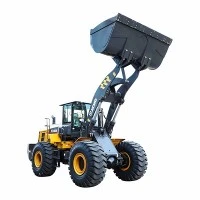
The lifting capacity of a used GP wheel loader is a crucial factor that potential buyers often consider. As a trusted supplier of Used GP Wheel Loaders, I understand the significance of this specification and its impact on various applications. In this blog, I will delve into the details of what the lifting capacity of a used GP wheel loader entails, how it is determined, and why it matters in different work scenarios.


Understanding Lifting Capacity
The lifting capacity of a wheel loader refers to the maximum weight that the machine can safely lift and carry. It is typically measured in tons or kilograms and is a key indicator of the loader's performance and capabilities. For a used GP wheel loader, the lifting capacity can vary depending on several factors, including the model, age, and condition of the machine.
GP, or Gehl-Pronar, is a well - known brand in the construction and material handling industry. Their wheel loaders are designed to handle a wide range of tasks, from light - duty material handling in small construction sites to heavy - duty loading and unloading operations in large quarries and mines.
Factors Affecting Lifting Capacity
- Model and Design: Different models of GP wheel loaders are engineered with varying lifting capacities. Smaller, more compact models are generally designed for lighter tasks and have lower lifting capacities, often in the range of 1 - 3 tons. For instance, our Used Compact Wheel Loader is ideal for tasks such as moving small piles of gravel or loading landscaping materials. These compact loaders are more maneuverable in tight spaces but sacrifice some lifting power.
On the other hand, larger GP wheel loader models are built for heavy - duty applications. They can have lifting capacities of 5 tons or more. Our Used Large Wheel Loader is suitable for large - scale construction projects, where it can handle large volumes of earth, rocks, and other heavy materials. The design of these larger loaders includes stronger hydraulic systems, more robust frames, and larger buckets to accommodate the increased weight.
- Age and Condition: The age of a used GP wheel loader can significantly affect its lifting capacity. Over time, the components of the loader, such as the hydraulic cylinders, pumps, and engine, may experience wear and tear. This can lead to a decrease in the machine's overall performance and lifting capacity. A well - maintained older loader may still have a reasonable lifting capacity, but it is important to have a thorough inspection before purchase.
The condition of the loader also plays a vital role. If the loader has been used in harsh environments or has not been properly maintained, it may have reduced lifting capabilities. For example, a loader that has been exposed to excessive dust and dirt may have clogged filters, which can affect the hydraulic system's efficiency and, in turn, the lifting capacity.
- Attachments: The type of attachment used on the wheel loader can also impact its lifting capacity. Different attachments, such as buckets, forks, or grapples, have different weights and geometries. A larger or heavier bucket will require more lifting power, which can reduce the effective lifting capacity of the loader. When considering the lifting capacity of a used GP wheel loader, it is essential to take into account the specific attachments that will be used.
Importance of Lifting Capacity in Different Applications
-
Construction: In the construction industry, the lifting capacity of a wheel loader determines its suitability for various tasks. For building construction projects, a loader with a moderate lifting capacity can be used to move building materials such as bricks, blocks, and bags of cement. In large - scale infrastructure projects, like road construction or dam building, a high - capacity wheel loader is necessary to handle large amounts of soil, gravel, and asphalt.
-
Mining: Mining operations require wheel loaders with high lifting capacities. These loaders are used to load large quantities of ore, coal, or other minerals onto trucks. A used GP wheel loader with a lifting capacity of 5 tons or more can significantly improve the efficiency of mining operations by reducing the number of trips required to transport materials.
-
Agriculture: In the agricultural sector, wheel loaders are used for tasks such as moving hay bales, loading manure, and handling feed. A loader with a lifting capacity of 1 - 3 tons is usually sufficient for most agricultural applications. Our Used Backhoe Loader can also be a versatile option in agriculture, as it combines the functions of a loader and a backhoe, providing additional flexibility.
Determining the Right Lifting Capacity for Your Needs
When looking to purchase a used GP wheel loader, it is crucial to determine the right lifting capacity for your specific needs. Here are some steps to help you make an informed decision:
- Assess Your Tasks: Identify the types of materials you will be handling and the volume of work. If you mainly deal with light materials in small quantities, a compact loader with a lower lifting capacity may be sufficient. However, if you need to handle heavy materials in large volumes, a high - capacity loader is a better choice.
- Consider Future Growth: Think about your future business needs. If you expect your operations to expand in the future, it may be wise to invest in a loader with a higher lifting capacity than you currently require. This will ensure that the loader can meet your growing demands without the need for a premature replacement.
- Budget: Your budget also plays a role in determining the lifting capacity. Generally, loaders with higher lifting capacities are more expensive. It is important to find a balance between your budget and the required lifting capacity.
Conclusion
The lifting capacity of a used GP wheel loader is a complex but essential factor to consider when making a purchase. By understanding the factors that affect lifting capacity, its importance in different applications, and how to determine the right capacity for your needs, you can make an informed decision.
As a supplier of Used GP Wheel Loaders, I am committed to providing high - quality machines that meet your specific requirements. If you are interested in purchasing a used GP wheel loader or have any questions about lifting capacity and other specifications, please feel free to contact me for a detailed discussion. We can work together to find the perfect loader for your business.
References
- Construction Equipment Handbook, various editions
- Gehl - Pronar official product manuals
- Industry reports on wheel loader performance and applications