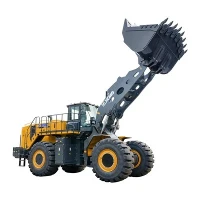
As a seasoned used wheel loader supplier, I understand the critical role that the radiator plays in the performance and longevity of these heavy - duty machines. A well - functioning radiator is essential for maintaining the optimal operating temperature of the engine, preventing overheating, and ensuring smooth operations. In this blog, I'll guide you through the process of checking the radiator of a used wheel loader, sharing valuable insights and practical tips based on my years of experience in the industry.
Visual Inspection
The first step in checking the radiator of a used wheel loader is a thorough visual inspection. This simple yet effective method can reveal a lot about the radiator's condition.
Exterior Condition
Start by examining the exterior of the radiator. Look for any signs of physical damage, such as dents, cracks, or bent fins. Dents can restrict the airflow through the radiator, reducing its cooling efficiency. Cracks, on the other hand, can lead to coolant leaks, which can cause the engine to overheat. Bent fins can also impede airflow, so use a fin comb to straighten them if possible.
Coolant Level and Quality
Check the coolant reservoir to determine the coolant level. The coolant should be between the minimum and maximum marks on the reservoir. If the coolant level is low, it could indicate a leak in the radiator or other parts of the cooling system.
Inspect the coolant's quality as well. The coolant should be clean and free of debris, rust, or oil. If the coolant appears dirty or has a milky color, it may be contaminated, which can affect the radiator's performance and potentially damage the engine.
Hoses and Connections
Inspect the radiator hoses and connections for any signs of wear, cracks, or leaks. The hoses should be flexible and free of bulges or soft spots. Tighten any loose connections, but be careful not to over - tighten them, as this can cause damage to the hoses or fittings.
Pressure Test
A pressure test is a more advanced way to check the radiator's integrity. This test can help identify any hidden leaks that may not be visible during a visual inspection.
How to Perform a Pressure Test
To perform a pressure test, you'll need a radiator pressure tester kit. First, make sure the engine is cool. Remove the radiator cap and attach the pressure tester to the radiator filler neck. Pump the tester to build pressure up to the recommended level specified in the wheel loader's service manual.
Observe the pressure gauge for a few minutes. If the pressure drops, it indicates a leak in the radiator or the cooling system. Check the radiator, hoses, and connections for any signs of coolant leakage. If you can't find the source of the leak, it may be necessary to take the radiator to a professional for further inspection.
Cooling Fan Inspection
The cooling fan plays a crucial role in the radiator's performance by drawing air through the radiator to dissipate heat. A malfunctioning cooling fan can cause the engine to overheat, even if the radiator is in good condition.
Fan Blade Condition
Inspect the fan blades for any signs of damage, such as cracks, chips, or bent blades. Damaged fan blades can create an imbalance, causing excessive vibration and reducing the fan's efficiency. Replace any damaged fan blades immediately.
Fan Belt Tension
Check the fan belt tension. A loose fan belt can slip, reducing the fan's speed and airflow through the radiator. On the other hand, an over - tightened fan belt can cause premature wear on the belt and the fan bearings. Refer to the wheel loader's service manual for the correct fan belt tension and adjust it if necessary.
Fan Motor (if electric)
If the wheel loader is equipped with an electric cooling fan, check the fan motor for proper operation. Listen for any unusual noises or vibrations when the fan is running. You can also use a multimeter to test the electrical connections and the motor's resistance to ensure it is functioning correctly.


Radiator Core Cleaning
Over time, the radiator core can become clogged with dirt, debris, and bugs, reducing its cooling efficiency. Cleaning the radiator core can help restore its performance.
Cleaning Methods
There are several methods for cleaning the radiator core. One common method is to use a low - pressure water hose to gently spray water through the radiator from the backside. This will help dislodge any loose dirt and debris.
For more stubborn deposits, you can use a radiator cleaner solution. Follow the manufacturer's instructions carefully when using a cleaner. After applying the cleaner, rinse the radiator thoroughly with water to remove all traces of the cleaner.
Importance of Regular Maintenance
Regular maintenance of the radiator is crucial for the overall performance and reliability of a used wheel loader. By following a preventive maintenance schedule, you can catch potential issues early and avoid costly repairs down the line.
Maintenance Schedule
Create a maintenance schedule that includes regular visual inspections, coolant changes, and radiator cleanings. Refer to the wheel loader's service manual for the recommended maintenance intervals. Regularly changing the coolant can help prevent corrosion and keep the radiator and the entire cooling system in good condition.
Conclusion
Checking the radiator of a used wheel loader is an essential part of the pre - purchase inspection and ongoing maintenance. By performing a visual inspection, pressure test, cooling fan inspection, and radiator core cleaning, you can ensure that the radiator is in good working condition and the wheel loader will operate smoothly.
At our company, we take pride in offering high - quality used wheel loaders. We thoroughly inspect each machine, including the radiator, to ensure that they meet our strict quality standards. If you're in the market for a used wheel loader, we have a wide range of options available, including Used Backhoe Loader, Used Compact Wheel Loader, and Used GP Wheel Loader.
If you have any questions or are interested in purchasing a used wheel loader, please don't hesitate to contact us. We're here to help you find the perfect machine for your needs and provide you with all the support and information you require.
References
- Wheel loader service manuals from major manufacturers.
- Industry - standard maintenance guides for heavy - duty machinery cooling systems.