

Hey there! As a supplier of used large excavators, I've seen firsthand how crucial it is to keep these machines running at peak efficiency. Whether you're a construction veteran or just starting out, getting the most out of your used large excavator can save you time, money, and a whole lot of hassle. In this blog post, I'll share some practical tips on how to improve the efficiency of your used large excavator.
Regular Maintenance is Key
First and foremost, regular maintenance is the backbone of any efficient excavator operation. Just like a car, an excavator needs proper care to perform at its best. Make sure to follow the manufacturer's maintenance schedule to the letter. This includes changing the oil, filters, and lubricants at the recommended intervals. Regularly inspecting the hydraulic system, tracks, and buckets can also prevent small issues from turning into major problems.
For example, worn-out tracks can significantly reduce the excavator's mobility and increase fuel consumption. By replacing the tracks when they start to show signs of wear, you can ensure smooth operation and save on fuel costs in the long run. Similarly, keeping the hydraulic system clean and well-maintained can prevent leaks and ensure that the excavator's boom, arm, and bucket move smoothly and efficiently.
Operator Training and Skill Development
Another important factor in improving the efficiency of a used large excavator is the skill of the operator. A well-trained operator can make a huge difference in how efficiently the machine is used. Provide your operators with comprehensive training on the specific model of the excavator they'll be using. This should include familiarizing them with the controls, safety features, and best operating practices.

Encourage your operators to continuously develop their skills. This can be done through on-the-job training, attending workshops, or even online courses. A skilled operator will be able to make better decisions about how to approach a task, which can lead to faster and more efficient work. For instance, they'll know the best way to position the excavator to minimize the need for repositioning during the digging process, saving time and fuel.
Optimize Digging Techniques
The way you dig can have a big impact on the efficiency of the excavator. One of the most important aspects of efficient digging is to use the right technique for the job. For example, when digging a trench, start by making a series of small, shallow cuts rather than trying to take out a large amount of material in one go. This approach reduces the stress on the excavator's hydraulic system and helps to maintain a more consistent digging depth.
Another tip is to use the excavator's bucket effectively. Make sure the bucket is filled to the appropriate level – overfilling can cause the excavator to work harder and waste fuel, while underfilling means you'll have to make more passes to get the job done. Also, pay attention to the angle at which you're digging. Digging at the correct angle can make the process easier and more efficient.
Upgrade and Retrofit
If your used large excavator is a bit older, consider upgrading or retrofitting it with modern technology. There are many aftermarket products available that can improve the efficiency and performance of your machine. For example, you can install a GPS tracking system to help with site planning and excavation precision. This can reduce the amount of guesswork and rework required, saving time and money.
You might also want to look into upgrading the engine or hydraulic components. A more fuel-efficient engine can significantly reduce your operating costs, while improved hydraulic components can enhance the speed and power of the excavator. Just make sure to consult with a professional before making any major upgrades to ensure they're compatible with your machine.
Match the Excavator to the Job
It's important to choose the right excavator for the job. While you may have a used large excavator in your fleet, it might not be the best fit for every task. Consider the size and scope of the project, as well as the type of material you'll be digging. If you're working on a small, confined site, a Second-hand Small Excavator might be more efficient and easier to maneuver. On the other hand, for large-scale earthmoving projects, your used large excavator will shine.
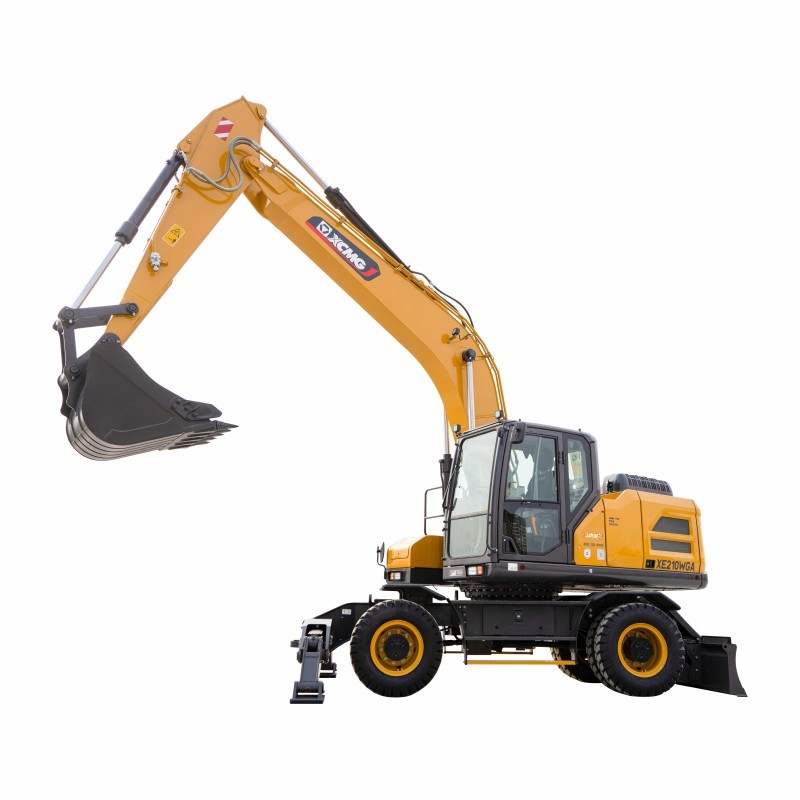
Similarly, different types of excavators are better suited for different applications. For example, if you need to work on soft or uneven terrain, a Used Wheel Excavator might be a better choice due to its superior mobility. And for very small-scale jobs or tasks in tight spaces, a Second-hand Mini Excavator could be the most efficient option.
Monitor and Analyze Performance
To continuously improve the efficiency of your used large excavator, it's important to monitor and analyze its performance. Keep track of factors such as fuel consumption, working hours, and the amount of material moved. This data can help you identify areas where the excavator could be performing better.
For example, if you notice that fuel consumption has increased suddenly, it could be a sign of a problem with the engine or hydraulic system. By analyzing the data and addressing the issue promptly, you can prevent further inefficiencies and costly repairs. You can use a simple spreadsheet or specialized software to track and analyze the performance data.
Conclusion
Improving the efficiency of a used large excavator takes a combination of regular maintenance, operator training, optimized techniques, upgrades, proper job matching, and performance monitoring. By implementing these tips, you can ensure that your excavator runs smoothly, saves you money on operating costs, and gets the job done faster.
If you're in the market for a used large excavator or looking to upgrade your existing fleet, we're here to help. We offer a wide range of high-quality used large excavators that are carefully inspected and refurbished to ensure optimal performance. Get in touch with us to discuss your requirements and let's find the perfect excavator for your needs.
References
"Dirty Dozen: 12 Common Excavator Mistakes and How to Avoid Them." Equipment World.
"Excavator Operation Manuals." Manufacturer's manuals for various excavator models.
"Tips for Improving Excavator Efficiency." Construction Equipment Guide.


