

Spring often brings heavy rain. If the equipment gets wet to varying degrees due to carelessness, how should it be handled? Today, Chongge is here to teach you!
Once water gets into the equipment, there are many hazards. Moisture can disrupt the formation of the oil film, making the already formed oil film thinner, significantly reducing the lubrication performance and causing a sharp increase in wear. Water and oil products can also undergo oxidation reactions. Coupled with the large amount of metal particles produced by wear, harmful substances are formed in the oil, which can corrode components and form sludge. At the same time, oxidation reactions can also deteriorate or emulsify the oil, reducing its lifespan.
The various hazards brought by moisture not only affect the normal operation of equipment and production lines, but also greatly reduce the service life of equipment, posing a huge threat to the increased production and value addition of industry. So, what if water accidentally gets in? Don't panic. We'll take it in four steps!
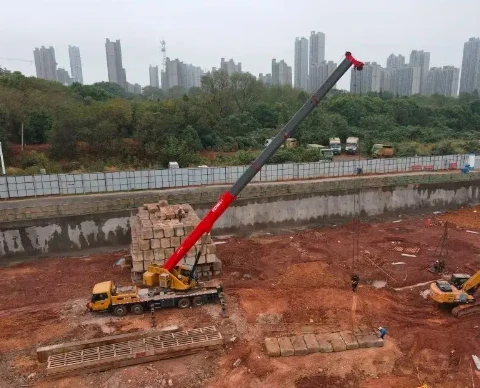
The first step is to cut off the power and turn off the machine
Water ingress into equipment can easily lead to safety accidents. When dealing with it, it is essential to cut off the power supply and eliminate other potential hazards to ensure environmental safety. While protecting the equipment, it is even more important to safeguard personal safety.
The second step is cleaning and inspection
Clean the sludge and dirt on and inside the equipment in a timely manner. When conditions permit, check if the equipment is damaged and deal with it promptly.
The third step is to replace the old oil with new oil
If the water intake is large, all the old lubricating oil needs to be extracted and replaced with brand new and pure lubricating oil to avoid greater losses. If the water inflow is small, Sany's dehydration and filtration service can purify the lubricating oil, avoid waste, reduce the discharge of waste oil, and also lower the cost of oil change.
The fourth step is a light-load trial run
After the cleaning, inspection and oil change operations are all completed, start the machine and connect the power supply, and run it under light load. When operating under light load, carefully check whether all components are operating normally, whether the fuel supply is normal, whether the sealing of each part is good, and whether the performance of the equipment meets the standards. Once any minor abnormality occurs, it should be dealt with in time; otherwise, the chain reaction will cause greater losses! After everything shows a good state, normal operation can begin.
Water ingress can cause significant damage to oil and equipment, but in many cases, it can be avoided. Therefore, the early protective work is extremely important. If possible, water should not enter; if it can be detected early, it should be dealt with promptly!


