

1.Hydraulic system failure
The rotation of the upper arm is driven by the hydraulic system to the rotation motor. If the hydraulic oil is insufficient, leaks, or the pressure of the hydraulic pump is abnormal, it will result in insufficient rotation or stalling.
Check point: Is the hydraulic oil level too low (it needs to be replenished to the standard level)?
Is the hydraulic pipeline damaged or are the joints loose (causing leakage)?
Is the output pressure of the hydraulic pump normal? (It needs to be tested with a pressure gauge. The normal value is usually 25-30 MPa.)
Is there any wear inside the rotary motor (such as damaged bearings or gears, and it is necessary to disassemble for inspection)?
2. Damage to mechanical transmission components
The rotation mechanism is composed of mechanical components such as the gearbox and the rotation bearings. Over time, it may become stuck due to wear or insufficient lubrication.
Check point: Verify if the rotating bearing is lacking lubricating oil or has foreign objects inside (clean and reapply lubricating grease as necessary).
Whether the gears of the gearbox are worn or broken (disassembly is required to inspect the condition of the tooth surfaces).
Is the raceway of the slewing bearing corroded or cracked (in which case the slewing bearing needs to be replaced)?
3. Electrical control system issues
Modern excavators mostly employ electro-hydraulic systems. If there are faults in sensors, solenoid valves or wiring, the rotation signal may be interrupted.
Check point: Verify if the rotation operation switch is damaged (it needs to be tested for continuity using a multimeter).
Has the coil of the rotary solenoid valve been burned out (it is necessary to measure the resistance, the normal value is approximately several tens of ohms)?
Does the controller (ECU) output the correct signal (the fault code needs to be read using a diagnostic tool)?
4. Failure of the operating valve or distributor
In manual control models, if the operating valve becomes stuck or there is leakage inside the distributor, the hydraulic oil will not be able to reach the rotation motor.
Check point: Verify the flexibility of the operating valve stem (the valve core needs to be disassembled and cleaned).
Is the distributor safety valve stuck or does the pressure setting too low (it needs to be adjusted or replaced)?
5. Other possible reasons
The rotary braking has not been released: For some models, the brakes need to be manually released (such as through foot pedals or electromagnets).
Insufficient engine power: If the engine speed is too low, the hydraulic system pressure may be insufficient (the engine condition needs to be checked).
Inspection steps suggestion:
Start with the simple and proceed to the complex: First, check the hydraulic oil level, pipeline leaks, and the flexibility of the operating valves.
Step-by-step testing: If the hydraulic system is normal, then proceed to test the electrical signals and mechanical components.
Reference Manual: The fault codes and component locations for different brand models (such as Caterpillar, Komatsu, Sany) may vary. Please refer to the corresponding repair manual for details.
Example: If the boom of a Komatsu PC200 excavator does not rotate, upon inspection it was found that the hydraulic oil level was normal but the rotation pressure was only 15 MPa (far below the standard value). After disassembling the hydraulic pump, it was discovered that the pump cylinder was worn out. After replacement, the pressure returned to normal and the rotation function was restored.
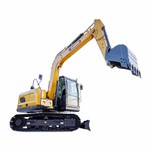
Why isn't the bucket arm of the excavator rotating?Why isn't the bucket arm of the excavator rotating?
Jan 29, 2026


Send Inquiry