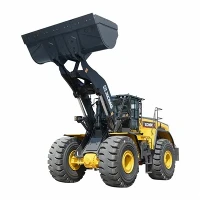
Hey there! If you're in the market for a Used Compact Wheel Loader, you've come to the right place. As a supplier of these nifty machines, I've seen firsthand how important it is to get the seat position just right. A well-adjusted seat not only enhances your comfort during long hours of operation but also improves your overall control and safety. In this blog, I'll walk you through the steps of adjusting the seat position in a used compact wheel loader.
Why Adjusting the Seat Position Matters
Before we dive into the adjustment process, let's talk about why it's so crucial. When you're operating a compact wheel loader, you'll be sitting in the seat for extended periods. An improperly adjusted seat can lead to discomfort, fatigue, and even long-term health issues. On the other hand, a well-adjusted seat allows you to maintain a proper posture, which in turn improves your visibility, reduces strain on your body, and enhances your ability to operate the machine effectively.
Step 1: Familiarize Yourself with the Seat Adjustment Controls
The first step is to get to know the seat adjustment controls in your used compact wheel loader. Most modern seats come with a variety of adjustment options, including seat height, seat tilt, lumbar support, and fore-and-aft adjustment. These controls are usually located on the side of the seat or on the armrest. Take a few minutes to familiarize yourself with each control and understand how it works.


Step 2: Adjust the Seat Height
The seat height is one of the most important adjustments you can make. You want to adjust the seat so that your feet rest flat on the floor and your knees are slightly bent. This allows you to operate the pedals comfortably and efficiently. To adjust the seat height, locate the height adjustment lever or knob and move it up or down until you find the right position. Make sure to test the pedals after each adjustment to ensure that you have full range of motion.
Step 3: Adjust the Seat Tilt
The seat tilt adjustment allows you to angle the seat forward or backward to suit your preference. A slight forward tilt can help you maintain a more upright posture and improve your visibility, while a backward tilt can provide more comfort during long hours of operation. To adjust the seat tilt, locate the tilt adjustment lever or knob and move it to the desired position. Again, make sure to test the controls after each adjustment to ensure that you're comfortable.
Step 4: Adjust the Lumbar Support
Lumbar support is essential for maintaining a healthy posture and reducing back pain. Most seats come with adjustable lumbar support that can be adjusted to provide the right amount of support for your lower back. To adjust the lumbar support, locate the lumbar adjustment lever or knob and move it up or down until you find the right position. You may need to experiment with different settings to find the one that works best for you.
Step 5: Adjust the Fore-and-Aft Position
The fore-and-aft adjustment allows you to move the seat forward or backward to suit your body size and reach. You want to adjust the seat so that you can comfortably reach the steering wheel, pedals, and controls without having to stretch or strain. To adjust the fore-and-aft position, locate the fore-and-aft adjustment lever or knob and move it to the desired position. Make sure to test the controls after each adjustment to ensure that you have full range of motion.
Step 6: Fine-Tune the Adjustments
Once you've made the initial adjustments, take a few minutes to fine-tune the settings. Sit in the seat and test the controls to make sure that everything feels comfortable and natural. You may need to make small adjustments to the seat height, tilt, lumbar support, or fore-and-aft position to find the perfect fit. Don't be afraid to experiment with different settings until you find the one that works best for you.
Step 7: Test the Machine
After you've adjusted the seat position, it's important to test the machine to make sure that everything is working properly. Start the engine and take the loader for a short test drive. Pay attention to how the seat feels and how easy it is to operate the controls. If you notice any discomfort or difficulty reaching the controls, make further adjustments until you're satisfied.
Conclusion
Adjusting the seat position in a used compact wheel loader is an important step in ensuring your comfort, safety, and productivity. By following these steps, you can find the perfect seat position that suits your body size and operating style. Remember, a well-adjusted seat not only makes your job easier but also helps prevent long-term health issues.
If you're in the market for a Used Compact Wheel Loader, Used Backhoe Loader, or Used GP Wheel Loader, don't hesitate to reach out to us. We have a wide selection of high-quality used equipment to meet your needs. Contact us today to discuss your requirements and get a free quote.
References
- Operator's Manual for Compact Wheel Loaders
- Ergonomics Guidelines for Heavy Equipment Operators