Hey there, folks! As a supplier of used tower cranes, I often get asked about what a load chart of a used tower crane is. So, I thought I'd take some time to break it down for you in this blog post.
First off, let's talk about what a load chart actually is. In simple terms, a load chart is like a rulebook for your tower crane. It tells you how much weight the crane can safely lift at different distances and heights. You can think of it as the crane's "strength guide" that helps operators know their limits and keep everyone on the job site safe.
For a used tower crane, the load chart is super important. Since these cranes have been around the block a few times, their load - carrying capabilities might have changed a bit over the years due to wear and tear. The load chart takes all these factors into account and gives you the most accurate information about what the crane can handle.
How is the Load Chart Created?
The creation of a load chart is no joke. It's based on a whole bunch of engineering and testing. Manufacturers start by designing the crane and calculating its structural strength. They use computer simulations and real - world testing to figure out how the crane will perform under different loads and conditions.
When it comes to used tower cranes, the original load chart from the manufacturer is just the starting point. After that, a professional inspection is done. Inspectors check the crane's components like the boom, cables, and motors. They look for signs of damage, corrosion, or excessive wear. Based on this inspection, they might adjust the load chart to reflect the current state of the crane.
Let's say, for example, that the cables on a used tower crane have some minor wear. The inspector might reduce the maximum load capacity slightly to make sure the crane operates safely. This is why it's crucial to get a detailed load chart when you're buying a used tower crane.
Reading a Load Chart
Reading a load chart can seem a bit intimidating at first, but it's not as hard as it looks. Most load charts are presented in a table format. The rows usually represent the radius (distance from the center of the crane to the load), and the columns represent the boom length or height.
Each cell in the table shows the maximum load that the crane can lift at that specific combination of radius and boom length. For instance, if you're working at a radius of 20 meters and a boom length of 40 meters, the load chart will tell you the heaviest load you can lift without overloading the crane.
It's also important to pay attention to the units on the load chart. Some are in kilograms, while others might use tons. Make sure you're using the right unit of measurement to avoid any mistakes.
Why is the Load Chart Important for a Used Tower Crane Supplier?
As a supplier of used tower cranes, I rely on the load chart to give accurate information to my customers. It's not just about selling a crane; it's about making sure that the crane is used safely and efficiently.
When a customer is interested in buying a used tower crane, they need to know what kind of work the crane can handle. The load chart helps me explain the crane's capabilities clearly. I can show them exactly how much weight the crane can lift at different heights and distances, so they can decide if it's the right fit for their project.
Moreover, providing a detailed load chart builds trust with my customers. They know that I'm giving them the real deal and not hiding anything about the crane's performance. It also helps me comply with safety regulations, as I'm providing all the necessary information for safe operation.


Other Types of Used Cranes and Their Load Charts
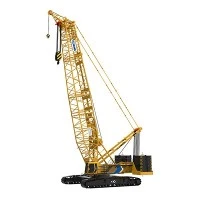
While we're on the topic of used cranes, it's worth mentioning that other types of cranes also have load charts. For example, Used Crawler Crane, Used All - terrain Crane, and Used Rough Terrain Crane.
Each type of crane has its unique load - carrying characteristics. Crawler cranes, for instance, are known for their stability and can often handle heavy loads at relatively long radii. All - terrain cranes are more versatile and can operate on different types of surfaces, but their load capacity might vary depending on the terrain. Rough terrain cranes are designed for off - road use, and their load charts are adjusted to account for the uneven ground conditions.
Factors Affecting the Load Chart of a Used Tower Crane
There are several factors that can affect the load chart of a used tower crane. One of the main factors is the age of the crane. As a crane gets older, its components start to wear out, which can reduce its load - carrying capacity.
Another factor is the maintenance history of the crane. A well - maintained crane is likely to have a more stable load capacity compared to one that hasn't been properly taken care of. Regular inspections, lubrication, and replacement of worn - out parts can help keep the crane in good working condition.
The environment in which the crane operates also plays a role. If the crane is used in a harsh environment with a lot of dust, moisture, or extreme temperatures, it can cause more rapid wear and tear on the components. This might lead to a need for more frequent load chart updates.
How to Ensure You Get an Accurate Load Chart
When you're in the market for a used tower crane, there are a few things you can do to make sure you get an accurate load chart. First, always ask for the crane's inspection reports. A professional inspection is the key to determining the current state of the crane and its load - carrying capacity.
Second, work with a reputable supplier. At my company, we take pride in providing our customers with detailed and accurate load charts. We have a team of experts who inspect each crane thoroughly and make any necessary adjustments to the load chart.
Finally, don't be afraid to ask questions. If you're not sure about something on the load chart, just ask. I'm always happy to explain things in plain English and make sure my customers understand everything about the crane they're buying.
Conclusion
So, there you have it! That's what a load chart of a used tower crane is all about. It's an essential tool that tells you how much weight the crane can safely lift at different distances and heights. As a used tower crane supplier, I know how important it is to provide accurate load charts to my customers.
If you're in the market for a used tower crane or any other type of used crane, don't hesitate to reach out. Whether it's a Used Crawler Crane, Used All - terrain Crane, or Used Rough Terrain Crane, I can help you find the right one for your project. Let's have a chat and see how we can work together to get you the equipment you need.
References
- Crane Manufacturer's Manuals
- Industry Standards for Crane Inspections
- Professional Crane Inspection Reports