

As a supplier of used medium excavators, ensuring the quality and safety of the equipment we offer is of utmost importance. One crucial aspect of assessing a used medium excavator is checking its electrical system. A well - functioning electrical system is essential for the proper operation of various components, including the engine, hydraulics, and control systems. In this blog, I will share some practical steps on how to check the electrical system of a used medium excavator.
1. Visual Inspection
The first step in checking the electrical system is a thorough visual inspection. Start by examining the battery. Look for signs of corrosion on the battery terminals. Corrosion can impede the flow of electricity and cause starting problems. If there is corrosion, it can be cleaned using a mixture of baking soda and water.
Inspect the battery cables as well. Check for any signs of fraying, cracking, or damage. Damaged cables can lead to electrical shorts or intermittent power loss. Make sure the cables are securely connected to the battery terminals and that there are no loose connections.
Next, examine the wiring harnesses throughout the excavator. Look for any signs of wear, such as exposed wires or cuts in the insulation. Pay special attention to areas where the wiring may be subject to friction, such as near moving parts or sharp edges. Loose or damaged wiring can cause a variety of electrical problems, including malfunctioning sensors and controls.
Check the electrical connectors as well. Ensure that they are clean, dry, and properly seated. Loose or dirty connectors can result in poor electrical contact, leading to intermittent issues or component failure.
2. Battery Testing
After the visual inspection, it's time to test the battery. A simple way to start is by using a voltmeter. A fully charged battery should read around 12.6 volts. If the voltage is significantly lower, it may indicate that the battery is discharged or has a problem.
You can also perform a load test on the battery. This involves applying a load to the battery and measuring the voltage drop. Most auto parts stores have battery load testers that can be used for this purpose. If the battery fails the load test, it may need to be replaced.
It's important to note that a weak battery can cause problems with the starting system and other electrical components. Therefore, ensuring the battery is in good condition is a fundamental step in checking the excavator's electrical system.
3. Checking the Starter System
The starter system is responsible for starting the engine. To check it, first, turn the ignition key to the start position. Listen for a clicking sound. A single click may indicate a problem with the starter solenoid, while a rapid clicking sound could mean a weak battery or a loose connection.
If the engine doesn't start at all, you can check the starter motor directly. Use a voltmeter to measure the voltage at the starter motor terminals when the ignition is turned to the start position. If there is voltage present but the starter doesn't engage, the starter motor may be faulty and need to be replaced.
Inspect the starter solenoid as well. The solenoid is a small electromagnetic switch that controls the flow of electricity to the starter motor. Check for any signs of damage or overheating. A damaged solenoid can prevent the starter motor from functioning properly.
4. Testing the Alternator
The alternator is responsible for charging the battery while the engine is running. To test the alternator, start the engine and use a voltmeter to measure the voltage at the battery terminals. With the engine running, the voltage should be between 13.5 and 14.5 volts. If the voltage is lower than this range, it may indicate that the alternator is not charging the battery properly.
You can also perform a load test on the alternator. Turn on all the electrical accessories in the excavator, such as the lights, radio, and hydraulic pumps. Then, measure the voltage at the battery terminals again. The voltage should remain relatively stable. If it drops significantly, the alternator may be overloaded or faulty.
5. Inspecting the Fuses and Relays
Fuses and relays are important components in the electrical system. They protect the electrical circuits from overloading and short - circuits. Locate the fuse box and relay panel in the excavator. Check each fuse to see if it is blown. A blown fuse will have a broken wire inside the glass or plastic casing.
Replace any blown fuses with fuses of the same amperage rating. Using a fuse with a higher amperage rating can cause damage to the electrical components.
Inspect the relays as well. Relays are electromagnetic switches that control the flow of electricity to various components. You can test a relay by swapping it with a known - good relay of the same type. If the problem goes away, it indicates that the original relay was faulty.
6. Testing the Sensors and Controls
Modern excavators are equipped with a variety of sensors and controls that rely on the electrical system to function properly. These sensors provide information to the engine control unit (ECU) and other control modules, allowing them to regulate the engine's performance, hydraulic functions, and other systems.
To test the sensors, you can use a diagnostic scanner. Many diagnostic scanners can read the fault codes stored in the ECU. These fault codes can provide valuable information about which sensors may be malfunctioning.
For example, if the excavator is experiencing problems with the engine's idle speed, the diagnostic scanner may indicate a problem with the idle air control valve or the throttle position sensor. Once you have identified the faulty sensor, you can further test it using a multimeter or other specialized testing equipment.
Check the control modules as well. These modules are responsible for processing the information from the sensors and controlling the various components of the excavator. Look for any signs of damage, such as burnt components or water damage. If a control module is suspected to be faulty, it may need to be replaced or reprogrammed.
7. Verifying the Lighting System
The lighting system is an important part of the excavator's electrical system, especially for safety reasons. Check all the lights, including the headlights, taillights, work lights, and indicator lights. Make sure they are all working properly.
If a light is not working, start by checking the bulb. A burnt - out bulb can usually be replaced easily. If the bulb is okay, check the fuse and the wiring to the light. Loose connections or a blown fuse can cause the light to fail.

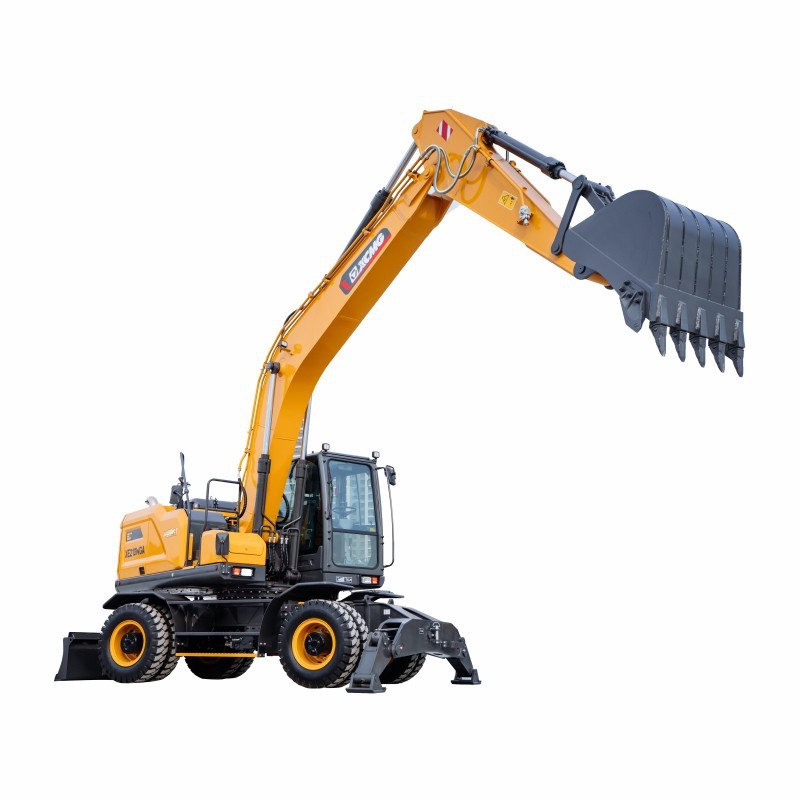
For the headlights, adjust the beam pattern to ensure proper illumination. Misaligned headlights can reduce visibility and pose a safety hazard.
8. Considering the Hydraulic and Control Circuitry
The electrical system also plays a crucial role in the hydraulic system of the excavator. Many hydraulic functions, such as the operation of the boom, arm, and bucket, are controlled by electrical solenoids and valves.
Check the hydraulic control circuitry for any signs of damage or malfunction. Look for leaks in the wiring harnesses near the hydraulic components, as hydraulic fluid can damage the insulation and cause electrical problems.
Test the hydraulic solenoids using a multimeter. Check for proper resistance values and ensure that they are receiving the correct electrical signals. Malfunctioning solenoids can lead to problems with the hydraulic system, such as slow or erratic movement of the excavator's attachments.
Conclusion
Checking the electrical system of a used medium excavator is a comprehensive process that requires attention to detail. By following the steps outlined above, you can identify potential electrical problems and ensure that the excavator is in good working condition.
As a supplier of used medium excavators, we take pride in offering high - quality equipment. In addition to medium excavators, we also have a wide range of other used excavators available, such as Used Wheel Excavator, Used Long - reach Excavator, and Used Large Excavator.
If you are interested in purchasing a used excavator or have any questions about the electrical system or other aspects of the equipment, please feel free to contact us. We are here to assist you in finding the right excavator for your needs and ensuring that it meets your expectations in terms of performance and reliability.
References
- "Automotive Electrical and Electronic Systems" by William H. Crouse and Donald L. Anglin
- "Heavy Equipment Maintenance and Repair Manual" by various industry experts


