

As a supplier of used wheel excavators, I understand the importance of proper storage for these valuable machines. A well - stored used wheel excavator not only maintains its condition but also retains its value, which is crucial for both sellers like me and potential buyers. In this blog, I'll share some scientific and practical tips on how to store a used wheel excavator properly.
1. Pre - storage Inspection and Preparation
Before storing the used wheel excavator, a thorough inspection is essential. First, check the overall condition of the machine. Look for any visible signs of damage such as cracks in the body, leaks in the hydraulic system, or worn - out parts. For the hydraulic system, check the fluid levels. Low hydraulic fluid can lead to system failure over time, so top it up if necessary. Also, examine the hoses for any signs of wear or damage; replace them if needed.
The engine is the heart of the excavator. Check the engine oil level, coolant level, and the condition of the air filter. A dirty air filter can reduce engine performance, so it should be cleaned or replaced. Inspect the battery as well. If the excavator is going to be stored for an extended period, it's a good idea to remove the battery and store it in a cool, dry place. Charge the battery regularly to prevent it from losing its charge.
Clean the entire excavator. Remove any dirt, mud, or debris from the body, tracks (if applicable), and the engine compartment. Dirt and debris can cause corrosion and damage to the paintwork. Use a pressure washer or a hose to clean the machine, but be careful not to get water into sensitive electrical components.
2. Choosing the Right Storage Location
The storage location plays a vital role in the preservation of the used wheel excavator. Ideally, the excavator should be stored indoors. A warehouse or a covered shed provides protection from the elements such as rain, snow, and sunlight. Rain and snow can cause rust and corrosion, while prolonged exposure to sunlight can fade the paint and damage rubber components.
If indoor storage is not available, an outdoor storage area should be carefully selected. The area should be on a flat, well - drained surface. Avoid areas prone to flooding or standing water, as water can cause significant damage to the excavator's undercarriage, engine, and other components. Use a waterproof cover to protect the machine from rain and snow. The cover should fit snugly and be made of a durable material that can withstand harsh weather conditions.
3. Proper Positioning of the Excavator
When storing the used wheel excavator, it should be parked in a proper position. Lower the boom, arm, and bucket to the ground to relieve stress on the hydraulic cylinders. This helps prevent hydraulic fluid leaks and extends the life of the cylinders. Make sure the excavator is level; an uneven position can cause unnecessary stress on the frame and other components.
If the excavator has tracks, block the tracks to prevent any movement. This is especially important if the storage area is on a slope. For wheeled excavators, apply the parking brake and chock the wheels to ensure the machine remains stationary.
4. Lubrication and Preservation
Lubrication is key to preventing rust and corrosion during storage. Apply a thin layer of lubricant to all exposed metal parts such as the boom, arm, and bucket. This creates a protective barrier against moisture. Pay special attention to areas that are prone to rust, such as the joints and the undercarriage.
For the engine, add a fuel stabilizer to the fuel tank. This prevents the fuel from deteriorating over time, which can lead to engine problems when the excavator is put back into use. Change the engine oil before storage; fresh oil contains fewer contaminants and provides better protection for the engine components.
5. Maintenance During Storage
Even during storage, the used wheel excavator requires some maintenance. If the excavator is stored indoors, it's a good idea to start the engine every few weeks. Let the engine run for a few minutes to circulate the oil and keep the components lubricated. This also helps prevent the battery from losing its charge.
Check the storage area regularly for any signs of pests. Rodents and insects can cause damage to the excavator by chewing on wires, hoses, and insulation. If pests are detected, take appropriate measures to eliminate them.
Inspect the cover (if used) regularly to ensure it is still in good condition and properly secured. A damaged or loose cover can expose the excavator to the elements.
6. Documentation and Record - keeping
Maintain detailed records of the pre - storage inspection, maintenance performed, and any other relevant information. This documentation can be useful for potential buyers, as it provides them with a clear picture of the excavator's condition and maintenance history.
As a supplier of Used Wheel Excavator, I also offer other types of used excavators, such as Used Long - reach Excavator and Used Medium Excavator. If you are interested in purchasing a used wheel excavator or any other type of used excavator, I encourage you to contact me for more information. I can provide you with detailed product specifications, pricing, and answer any questions you may have.
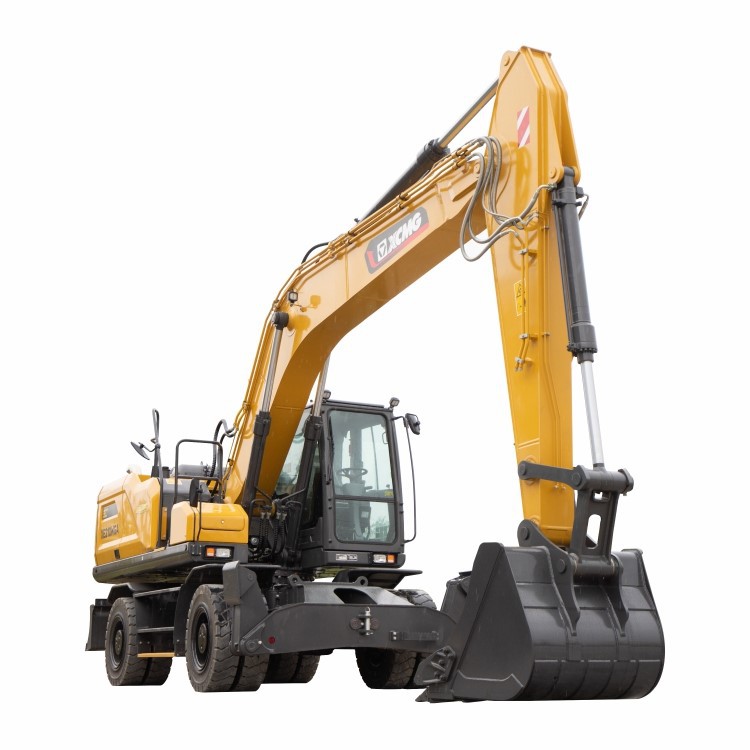

Proper storage of a used wheel excavator is a combination of pre - storage preparation, choosing the right location, correct positioning, lubrication, and regular maintenance. By following these steps, you can ensure that the excavator remains in good condition and retains its value. Whether you are a seller looking to preserve the quality of your inventory or a buyer interested in a well - maintained used wheel excavator, these tips will be beneficial.
References
- Construction Equipment Maintenance Handbook
- Guide to Used Excavator Storage and Preservation


