

What is the braking system performance of a used wheel excavator?
As a supplier of Used Wheel Excavator, I often encounter customers who are curious about the braking system performance of used wheel excavators. The braking system is a crucial component of any construction equipment, and in the case of wheel excavators, it plays a vital role in ensuring safety and operational efficiency. In this blog post, I will delve into the key aspects of the braking system performance of used wheel excavators.
Understanding the Braking System in Wheel Excavators
The braking system in a wheel excavator is designed to slow down or stop the machine's movement. It consists of several components, including brake pads, rotors, calipers, and a hydraulic system. The hydraulic system is responsible for transmitting the force from the brake pedal to the brake pads, which then press against the rotors to create friction and slow down the wheels.
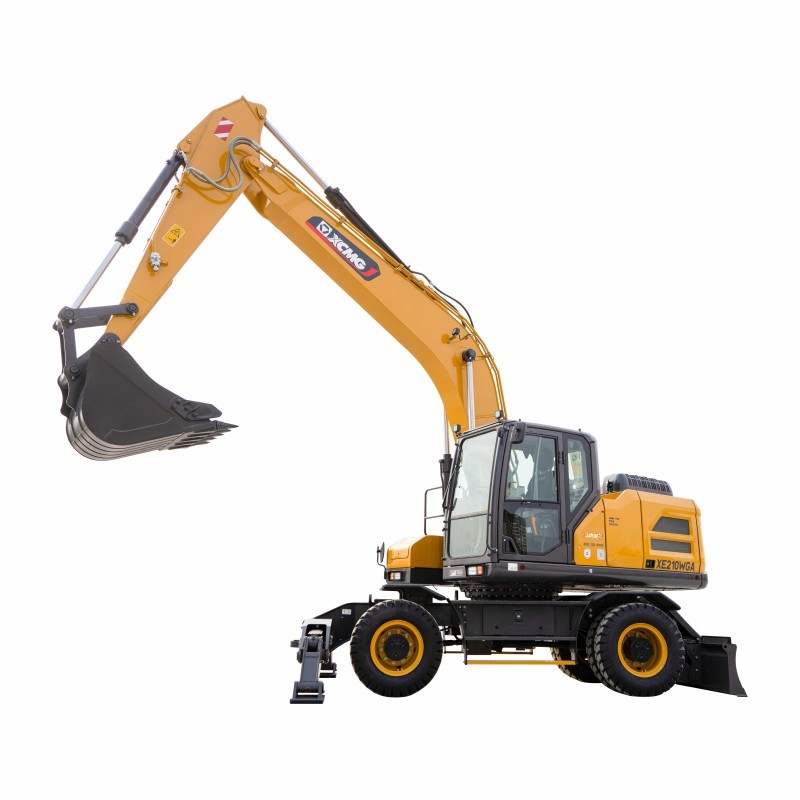
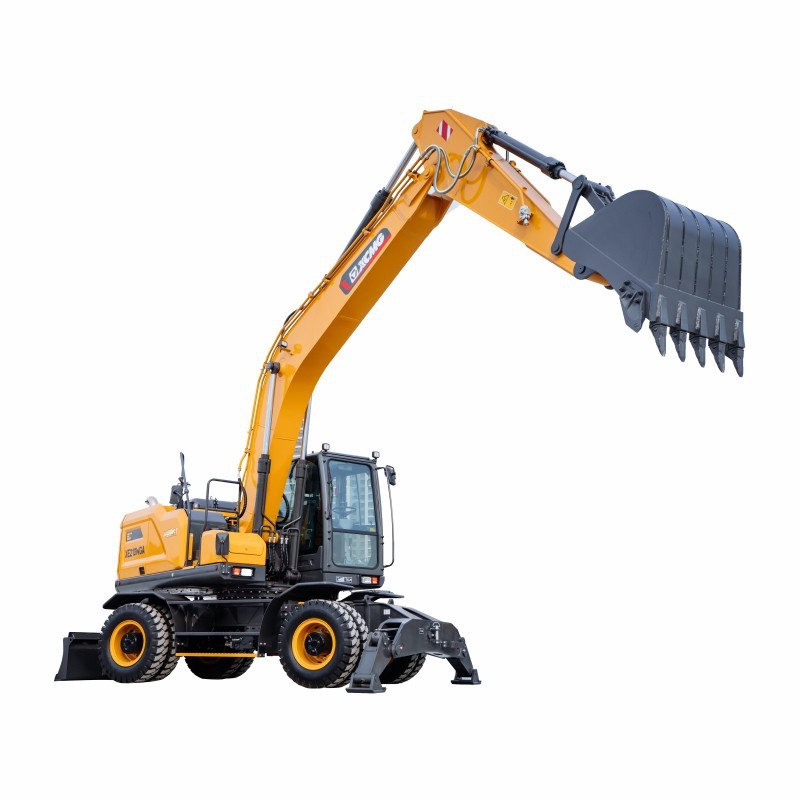
There are two main types of braking systems commonly used in wheel excavators: service brakes and parking brakes. The service brakes are used during normal operation to slow down or stop the machine. They are typically hydraulic brakes that provide reliable and responsive braking performance. The parking brakes, on the other hand, are used to keep the machine stationary when it is parked. They are usually mechanical brakes that engage automatically when the machine is turned off.
Factors Affecting Braking System Performance
Several factors can affect the braking system performance of a used wheel excavator. These include:
- Wear and Tear: Over time, the brake pads and rotors can wear down due to normal use. This can reduce the braking efficiency and increase the stopping distance. It is important to regularly inspect the brake pads and rotors and replace them when they reach the end of their service life.
- Hydraulic System Condition: The hydraulic system plays a crucial role in the operation of the braking system. If the hydraulic fluid is low or contaminated, it can affect the performance of the brakes. Regular maintenance of the hydraulic system, including fluid checks and replacements, is essential to ensure optimal braking performance.
- Brake Adjustment: Proper brake adjustment is necessary to ensure that the brakes engage evenly and provide consistent braking performance. If the brakes are not adjusted correctly, it can lead to uneven wear on the brake pads and rotors and reduce the braking efficiency.
- Operating Conditions: The operating conditions of the wheel excavator can also affect the braking system performance. For example, if the machine is frequently used in dusty or muddy environments, it can cause the brake pads and rotors to become dirty and reduce the braking efficiency. Additionally, if the machine is operated on steep slopes or under heavy loads, it can put additional stress on the braking system and increase the wear and tear.
Assessing the Braking System Performance of a Used Wheel Excavator
When purchasing a used wheel excavator, it is important to assess the braking system performance to ensure that it is in good working condition. Here are some steps you can take to evaluate the braking system:
- Visual Inspection: Start by visually inspecting the brake pads, rotors, and calipers for signs of wear and damage. Look for cracks, grooves, or excessive wear on the brake pads and rotors. Check the calipers for leaks or damage.
- Test Drive: Take the wheel excavator for a test drive and pay attention to the braking performance. Notice how quickly the machine stops when you apply the brakes. Listen for any unusual noises, such as squealing or grinding, which could indicate a problem with the brakes.
- Brake Fluid Check: Check the level and condition of the brake fluid. The brake fluid should be clear and free of contaminants. If the fluid is low or dirty, it may need to be replaced.
- Brake Adjustment Check: Check the brake adjustment to ensure that the brakes engage evenly. You can do this by applying the brakes gently and feeling for any unevenness or pulling to one side.
- Parking Brake Test: Test the parking brake to ensure that it holds the machine securely when parked. Apply the parking brake and try to move the machine forward or backward. If the machine moves, the parking brake may need to be adjusted or repaired.
Maintaining the Braking System of a Used Wheel Excavator
To ensure optimal braking system performance and extend the lifespan of the brakes, it is important to follow a regular maintenance schedule. Here are some maintenance tips for the braking system of a used wheel excavator:
- Regular Inspections: Regularly inspect the brake pads, rotors, calipers, and hydraulic system for signs of wear and damage. Replace any worn or damaged components as soon as possible.
- Brake Fluid Maintenance: Check the brake fluid level regularly and top it up if necessary. Replace the brake fluid according to the manufacturer's recommendations.
- Brake Adjustment: Have the brakes adjusted regularly to ensure that they engage evenly and provide consistent braking performance.
- Cleanliness: Keep the brake components clean to prevent dirt and debris from accumulating. This can help to reduce wear and tear on the brakes and improve their performance.
- Training and Education: Ensure that operators are properly trained on the operation and maintenance of the braking system. This can help to prevent accidents and ensure the safe and efficient use of the wheel excavator.
Other Considerations for Used Wheel Excavators
In addition to the braking system performance, there are other factors to consider when purchasing a used wheel excavator. These include:
- Machine Age and Hours: The age and hours of operation of the machine can give you an idea of its overall condition and remaining useful life. Generally, older machines with higher hours of operation may require more maintenance and repairs.
- Maintenance History: Request the maintenance history of the machine to see if it has been well-maintained. A machine with a comprehensive maintenance history is more likely to be in good condition and have reliable performance.
- Inspection and Testing: Have the machine inspected and tested by a qualified technician before making a purchase. This can help to identify any potential problems or issues with the machine.
- Warranty and Support: Consider the warranty and support options offered by the seller. A warranty can provide peace of mind and protection against unexpected repairs.
Conclusion
The braking system performance of a used wheel excavator is a critical factor to consider when purchasing this type of equipment. A well-maintained braking system can ensure the safety of the operator and the efficiency of the machine. By understanding the factors that affect braking system performance, assessing the brakes during a test drive, and following a regular maintenance schedule, you can ensure that your used wheel excavator provides reliable and responsive braking performance.
If you are in the market for a used wheel excavator, Used Large Excavator and Second-hand Mini Excavator are also worth considering. We offer a wide range of used wheel excavators and other construction equipment to meet your needs. Contact us today to learn more about our products and services and to discuss your purchasing requirements.
References
- Manufacturer's manuals and specifications for wheel excavators.
- Industry standards and guidelines for braking system performance in construction equipment.
- Articles and research papers on the maintenance and inspection of braking systems in wheel excavators.


