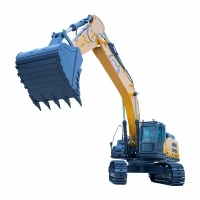
Hey there! As a supplier of used wheel excavators, I often get asked about the fuel types these machines use. It's a crucial question, especially when you're looking to buy a used one. So, let's dive right in and explore the different fuel options for used wheel excavators.
Diesel - The Most Common Fuel Type
Diesel is hands down the most widely used fuel for wheel excavators, both new and used. There are several reasons for its popularity. First off, diesel engines are known for their high torque. Torque is what gives an excavator the power to dig, lift, and move heavy loads. In construction and excavation work, having that extra muscle is a must.


Another advantage of diesel is its fuel efficiency. Diesel engines can convert a higher percentage of the fuel's energy into mechanical power compared to gasoline engines. This means you can get more work done on a single tank of diesel. For a used wheel excavator, which might already have some wear and tear, good fuel efficiency can save you a significant amount of money in the long run.
Diesel also has a relatively high energy density. This means that for a given volume, diesel contains more energy than other fuels like gasoline. So, you don't need to carry as much fuel around to keep your excavator running. This is especially important on job sites where space and weight are at a premium.
However, diesel engines do have some drawbacks. They tend to be noisier and produce more emissions compared to other fuel types. But with modern emission control technologies, these issues have been significantly reduced. If you're in the market for a used wheel excavator, look for models that are equipped with the latest emission control systems to minimize the environmental impact.
Gasoline - A Less Common Option
While gasoline is not as commonly used as diesel in wheel excavators, there are still some models out there that run on it. Gasoline engines are generally lighter and quieter than diesel engines. They also tend to have a lower initial cost, which can be appealing if you're on a tight budget.
One of the main advantages of gasoline is its availability. Gasoline stations are much more common than diesel stations, especially in urban areas. This can be a big plus if you need to refuel your excavator quickly and don't have easy access to a diesel pump.
However, gasoline engines have some significant drawbacks when it comes to heavy-duty applications like excavation. They typically have lower torque and fuel efficiency compared to diesel engines. This means that a gasoline-powered wheel excavator may not be able to handle as large of a workload as a diesel-powered one. And because you'll need to refuel more often, the overall operating cost can end up being higher.
Hybrid - The Future of Excavator Fuel
Hybrid technology is starting to make its way into the world of wheel excavators. A hybrid excavator combines a traditional internal combustion engine (usually diesel) with an electric motor and a battery. The electric motor can assist the engine during heavy loads, reducing the amount of fuel needed.
One of the main benefits of hybrid excavators is their improved fuel efficiency. By using the electric motor to supplement the engine, the overall fuel consumption can be significantly reduced. This not only saves you money on fuel but also reduces the environmental impact.
Hybrid excavators also tend to have lower emissions compared to traditional diesel engines. The electric motor produces zero emissions when it's running, and the engine can be optimized to run more efficiently, further reducing the amount of pollutants released into the atmosphere.
However, hybrid technology is still relatively new in the excavator market, and used hybrid wheel excavators may be harder to find. They also tend to have a higher initial cost compared to traditional diesel or gasoline models. But as the technology becomes more widespread, the prices are likely to come down, making hybrid excavators a more viable option for many buyers.
Electric - The Emerging Trend
Electric wheel excavators are another emerging trend in the industry. These machines are powered entirely by electricity, either from a battery or a power grid connection. Electric excavators have several advantages over their fuel-powered counterparts.
First of all, they produce zero emissions at the point of use. This makes them an ideal choice for indoor or urban job sites where air quality is a concern. Electric excavators are also much quieter than diesel or gasoline engines, which can be a big plus in noise-sensitive areas.
Another advantage of electric excavators is their simplicity. They have fewer moving parts compared to traditional engines, which means less maintenance and fewer breakdowns. This can save you a lot of time and money in the long run.
However, electric excavators also have some limitations. The range of battery-powered models is still limited, and recharging can take a significant amount of time. If you need to use your excavator for long periods without access to a power source, an electric model may not be the best choice. But as battery technology continues to improve, these issues are likely to be addressed.
Choosing the Right Fuel Type for Your Needs
When it comes to choosing the right fuel type for your used wheel excavator, there are several factors to consider. First, think about the type of work you'll be doing. If you're working on large construction sites or doing heavy excavation work, a diesel-powered excavator is probably your best bet. The high torque and fuel efficiency of diesel engines make them well-suited for these types of applications.
If you're working in urban areas or on indoor job sites where noise and emissions are a concern, a hybrid or electric excavator may be a better choice. These models offer lower emissions and quieter operation, which can help you comply with local regulations and minimize the impact on the environment.
Your budget is also an important factor to consider. Diesel and gasoline engines generally have a lower initial cost compared to hybrid and electric models. However, you need to factor in the long-term operating costs, including fuel and maintenance. A hybrid or electric excavator may have a higher upfront cost, but it could save you money in the long run through lower fuel consumption and reduced maintenance requirements.
Our Selection of Used Wheel Excavators
At our company, we have a wide selection of used wheel excavators to choose from. Whether you're looking for a diesel, gasoline, hybrid, or electric model, we've got you covered. Our excavators are carefully inspected and refurbished to ensure that they are in top condition before they are offered for sale.
We also offer a range of other used construction equipment, including Used Long-reach Excavator and Second-hand Mini Excavator. If you're not sure which type of excavator is right for your needs, our team of experts is here to help. We can provide you with detailed information about each model and help you make an informed decision.
Contact Us for More Information
If you're interested in learning more about our Used Wheel Excavator or have any questions about fuel types, please don't hesitate to contact us. We're always happy to answer your questions and provide you with the information you need to make the right choice for your business.
In conclusion, there are several fuel types available for used wheel excavators, each with its own advantages and disadvantages. By considering your specific needs and budget, you can choose the fuel type that's right for you. And if you're in the market for a used wheel excavator, we're here to help you find the perfect machine for your job.
References
- "Construction Equipment Fuel Types: A Comprehensive Guide" - Construction Equipment Magazine
- "The Future of Excavator Technology: Hybrid and Electric Models" - Equipment World
- "Diesel vs. Gasoline Engines in Construction Equipment" - Machinery Lubrication